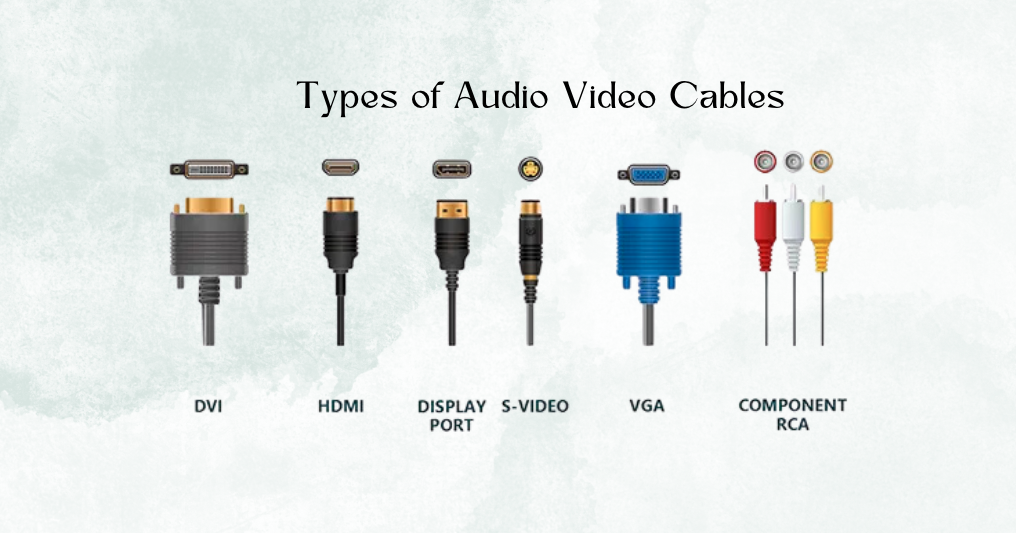
How Do Cables Power Our Digital World?
The digital world we inhabit today is fundamentally powered by a complex network of cables that facilitate communication and energy transfer. From the moment we send an email to streaming our favorite shows, cables serve as the backbone of the internet and electrical systems. Fiber optic cables, for example, use light to transmit data at incredible speeds, allowing for seamless connectivity across vast distances. This cable infrastructure not only enables efficient data transfer but also supports the ever-growing demand for high-speed internet, which is pivotal in our increasingly connected lifestyles.
Moreover, the role of cables extends beyond just data transmission; they play a crucial part in powering our devices and ensuring they function optimally. Power cables supply electricity to everything from our home appliances to large-scale data centers that store and process massive amounts of information. As we continue to embrace technology, our reliance on these cables only increases, making them an essential aspect of our digital ecosystem. In essence, without these vital connections, our modern world would be far less efficient and connected.
Counter-Strike is a popular first-person shooter game that has captured the attention of gamers worldwide since its release. Known for its tactical gameplay and team-based mechanics, it challenges players to work together to complete objectives or eliminate the opposing team. For gamers looking to enhance their gaming setup, check out these Top 10 usb c accessories that can improve their overall experience.
The Evolution of Cables: From Vintage to Modern Connectivity
The journey of cables from their vintage origins to modern connectivity has been nothing short of remarkable. In the early days, cables were primarily made of metal wires and rubber insulation, serving basic functions for telegraph and early telephone systems. Over the decades, technological advancements have led to the development of various types of cables, each designed to meet the growing demands for speed and connectivity. For example, coaxial cables, widely used for cable television and internet, became a staple in households by the 1970s. Similarly, the advent of fiber optic cables in the 1980s revolutionized data transmission, allowing for higher bandwidth and faster internet speeds.
As we moved into the 21st century, the evolution of cables continued to accelerate with the rise of wireless technology and smart devices. Today, we see a diverse range of connectivity options, from USB Type-C cables that facilitate data transfer and charging for multiple devices to HDMI cables that support high-definition video and audio. Furthermore, innovations like Thunderbolt technology have dramatically increased transfer speeds, allowing for seamless connections between computers and peripherals. As technology progresses, the role of cables will undoubtedly adapt to meet new needs, but their fundamental importance in ensuring reliable connections remains unchanged.
Understanding Different Types of Cables and Their Uses
Understanding the various types of cables and their uses is essential for both professionals and DIY enthusiasts. Cables are categorized based on their construction and application, making it crucial to select the right type for a specific job. Some of the most common types include coaxial cables, which are typically used for television signals; fiber optic cables, known for their high-speed data transmission capabilities; and twisted pair cables, widely used in telecommunications and computer networks. Each type has unique characteristics that influence their performance in different environments.
In addition to these common types, there are several specialized cables worth knowing. For instance, HDMI cables are essential for connecting high-definition video and audio devices, while USB cables are universal connectors for a wide array of devices, from smartphones to printers. Furthermore, power cables are crucial for delivering electricity to various appliances and devices. Understanding these distinctions not only helps in choosing the right cable for your needs but also ensures optimal performance and safety in your electrical and data connections.