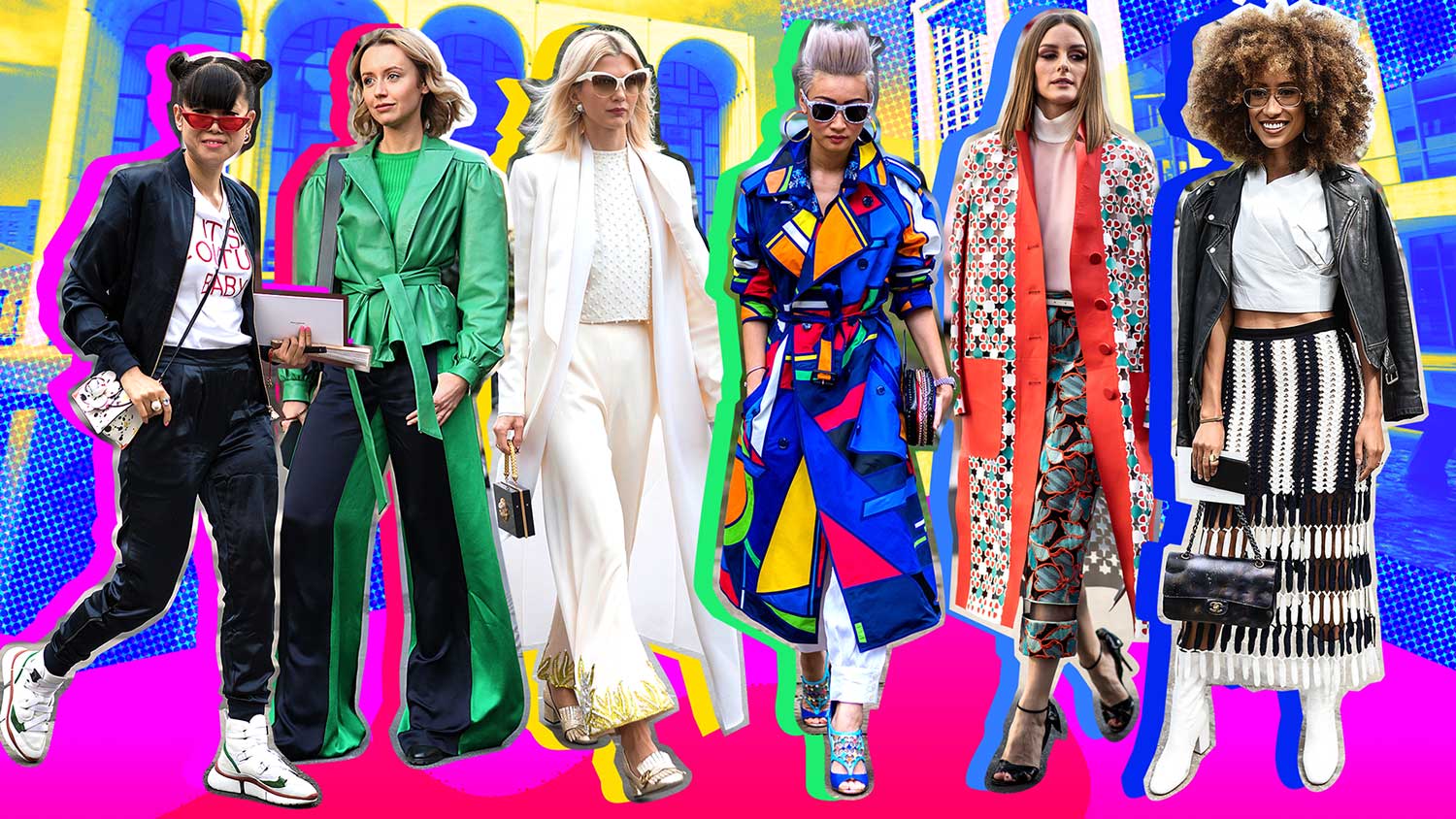
The Art of Subtlety: Why Being Fashionably Late is the Ultimate Style Statement
In the world of fashion and social etiquette, being fashionably late is more than just a trend—it's an art form. Arriving a few minutes late can signal confidence and self-assuredness, allowing the event to build anticipation for your appearance. This subtle act of delay conveys that your time is valuable, elevating your status among peers. When you arrive late, you allow others to engage in conversation and create an atmosphere that buzzes with excitement, making your entrance all the more impactful. Being fashionably late is not about disrespect; instead, it transforms the mundane into the extraordinary.
Moreover, the ultimate style statement goes beyond mere punctuality—it reflects a deep understanding of social dynamics. By choosing to arrive after others, you subtly place yourself at the center of attention. This practice can be particularly effective at gatherings where networking is key, enabling you to enter a room already filled with engaging conversations. Moreover, being fashionably late gives you the chance to curate your appearance and ensure every detail—from your outfit to your demeanor—is perfectly positioned for maximum impact. In a world obsessed with instant gratification, embracing the art of subtlety through calculated timing can set you apart as a true style influencer.
Counter-Strike is a popular first-person shooter game that pits two teams against each other: Terrorists and Counter-Terrorists. Players engage in various game modes, aiming to complete objectives like planting bombs or rescuing hostages. The game's competitive scene has led to many tournaments worldwide, making it a staple in the esports community. For gamers looking for the best accessories, check out the Top 10 airtag wallets to keep their gear organized and secure.
Challenging the Norm: How Delayed Trends Are Redefining Fashion Today
The fashion industry has long been characterized by its fast-paced nature, where trends emerge and fade almost instantaneously. However, a growing movement is challenging this status quo, as delayed trends redefine our understanding of style. Instead of chasing after the latest runway looks, consumers are increasingly gravitating towards nostalgic aesthetics and timeless pieces that exude individuality. This shift not only fosters personal expression but also promotes sustainability, as people are more inclined to invest in quality garments that withstand the test of time.
As we witness this transformation, it is essential to explore the implications of delayed trends on contemporary fashion. The rise of platforms like social media has facilitated the resurgence of past styles, creating a vintage revival that celebrates bygone eras. From 90s grunge to early 2000s Y2K fashion, these trends remind us that style is cyclical, and what was once deemed out of fashion can become a statement of authenticity. By embracing delayed trends, fashion enthusiasts are not only redefining their personal wardrobes but also reshaping the industry's future, ushering in a more thoughtful and less wasteful approach to style.
Is Waiting to Stand Out the Secret to Authenticity in Fashion?
In a world dominated by fast fashion and fleeting trends, the concept of waiting to stand out has emerged as a pivotal strategy for those seeking to cultivate authenticity in their style. By resisting the urge to conform to the rapid turnover of fashion fads, individuals can instead take the time to assess their personal tastes and values. This measured approach not only allows for a more genuine expression of self but also champions sustainability, encouraging consumers to invest in quality pieces that resonate with their identity rather than succumbing to the pressure of immediate gratification.
Furthermore, waiting to stand out can empower individuals to embrace their uniqueness. It encourages exploration and experimentation, allowing fashion enthusiasts to discover what truly makes them feel confident and comfortable. By prioritizing authenticity over popularity, we foster a culture that celebrates individuality rather than one that merely chases trends. In this age of overconsumption, valuing authenticity is not just refreshing, but a necessary movement towards a more conscious and meaningful approach to fashion.