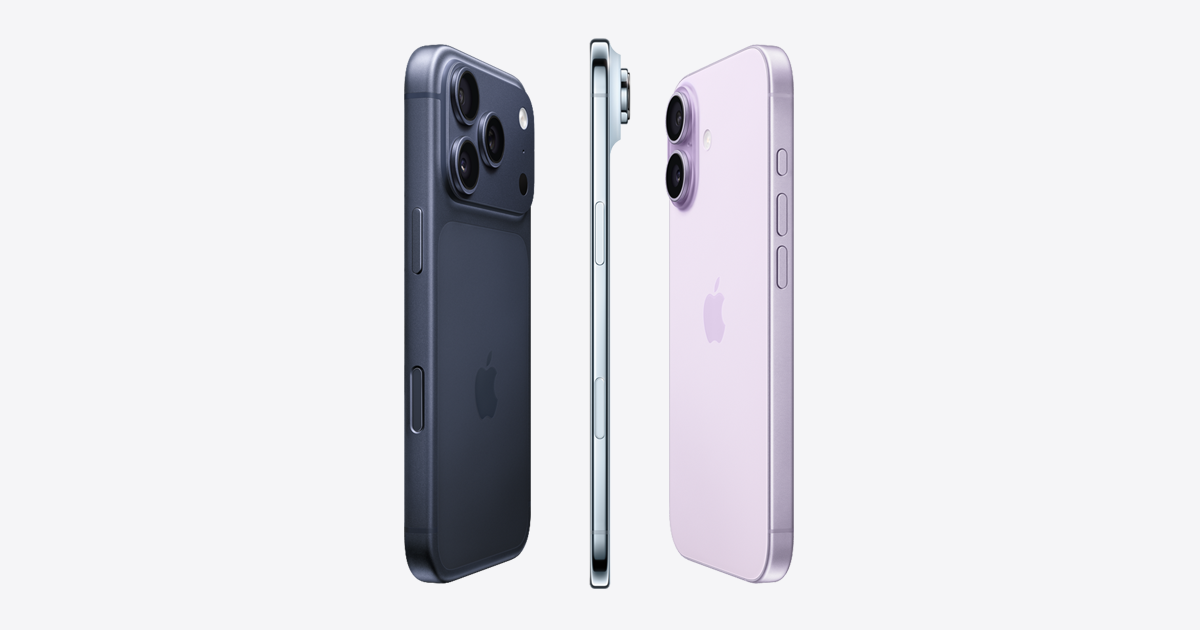
The Evolution of Smartphones: From Basic Tools to Essential Life Companions
The journey of smartphones began in the early 1990s with the introduction of simple devices like the IBM Simon Personal Communicator, which combined the functionality of a mobile phone with basic PDA features. These initial models primarily served as communication tools, allowing users to make calls and send rudimentary messages. As technology progressed, manufacturers began to integrate more features, leading to the release of devices with touch screens, cameras, and early internet capabilities. By the time Apple launched the first iPhone in 2007, smartphones had started transitioning from mere utility items to powerful multifunctional devices that reshaped how we interact with the world.
Today, smartphones have evolved into essential life companions, seamlessly integrating into our daily routines. With the advent of advanced operating systems like Android and iOS, smartphones now offer a plethora of applications that cater to various needs—from productivity to entertainment, health monitoring to social networking. This evolution has enabled users to access information and stay connected like never before. As we move further into the 21st century, the role of smartphones continues to expand, solidifying their place as indispensable companions in our fast-paced, tech-driven lives.
Counter-Strike is a popular tactical first-person shooter game that has captivated millions of players around the world. Known for its team-based gameplay, players can choose to be part of either the terrorist or counter-terrorist factions. To enhance your gaming experience, you might also want to check out the Top 10 One Hand Grips for iPhone, which can provide a more comfortable grip during long gaming sessions.
How Smartphones Have Changed Our Daily Routines: A Deep Dive
The advent of smartphones has revolutionized the way we navigate our daily routines. From the moment we wake up to the sound of our alarms, smartphones are integrated into every aspect of our lives. We rely on these devices for essential tasks such as checking the weather, managing our calendars, and even setting reminders. According to recent studies, over 80% of people use their phones as their primary source of information, making it indispensable in our fast-paced world. Without a doubt, smartphones have streamlined our daily activities, allowing us to stay organized and connected with minimal effort.
Furthermore, the impact of smartphones extends beyond mere convenience; it has fundamentally altered our social interactions and productivity levels. With features such as instant messaging, social media, and video calls, communication has been transformed into a seamless experience. We can now connect with friends, family, and colleagues at any time of the day, fostering relationships regardless of geographical barriers. However, this constant connectivity can also lead to a sense of overwhelm and distraction, prompting individuals to seek a better work-life balance. As we explore how smartphones have reshaped our daily lives, it becomes clear that while they offer immense benefits, they also present challenges that need to be navigated thoughtfully.
Are Smartphones Making Us Smarter or More Distracted?
The debate over whether smartphones are making us smarter or more distracted has garnered significant attention in recent years. On one hand, smartphones provide unparalleled access to information, educational tools, and communication platforms. With just a few taps on the screen, we can access a wealth of knowledge, from academic articles to instructional videos. Many argue that this easy access enhances our cognitive abilities by allowing us to learn and adapt quickly. In fact, studies suggest that individuals who utilize educational apps and resources are more likely to retain information and develop critical thinking skills.
On the flip side, the convenience of smartphones also comes with considerable distractions. The constant notifications from social media, emails, and text messages can lead to frequent interruptions, making it challenging to focus on tasks that require deep concentration. Research indicates that excessive smartphone use can contribute to decreased attention spans and increased feelings of anxiety. As we become more reliant on our devices, it raises the question: Are we learning to manage our time and resources more effectively, or are we simply becoming slaves to our devices? The answer may lie in finding a balance between utilizing technology for personal growth while being mindful of its potential to distract.