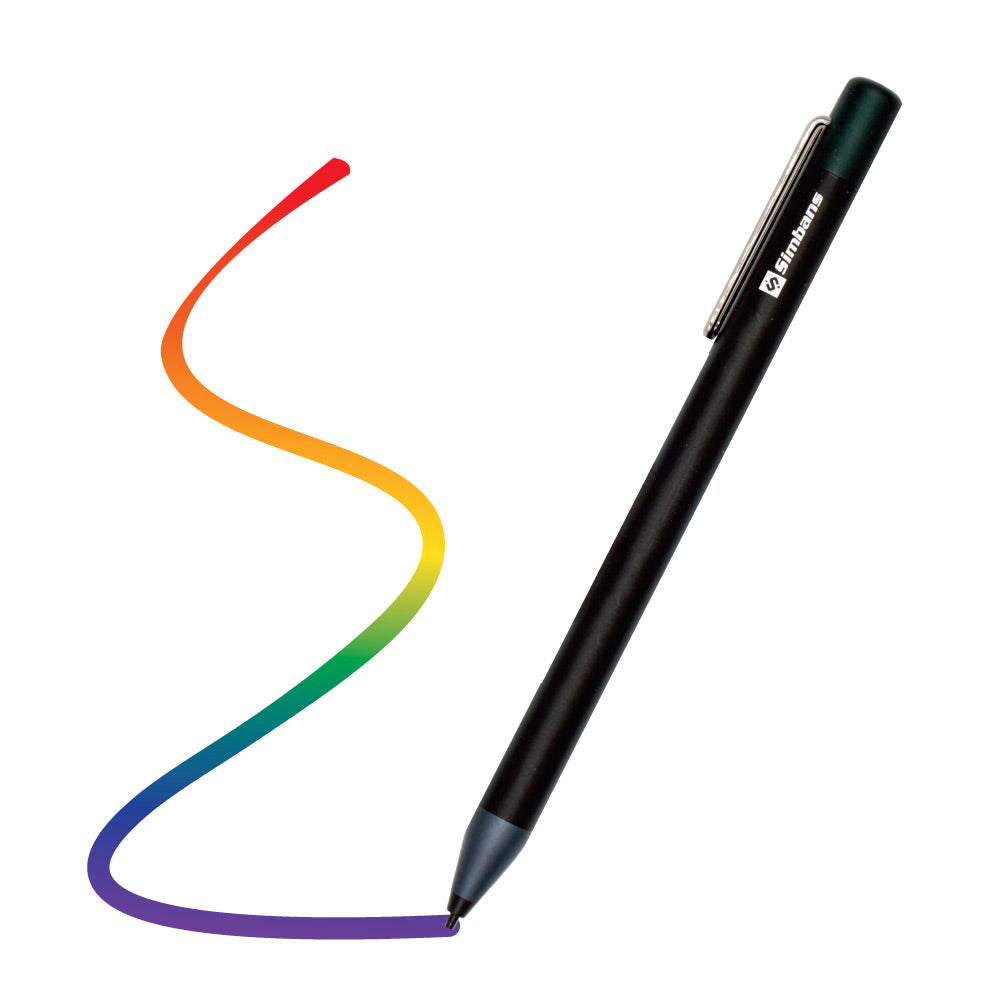
Unlocking the Magic: How to Choose the Perfect Stylus for Your Digital Art
Choosing the perfect stylus for your digital art can feel like unlocking a world of magic. With so many options available, it's crucial to focus on factors such as sensitivity, precision, and ergonomics. A good stylus should seamlessly translate your unique artistic vision onto the digital canvas. Consider a stylus that offers pressure sensitivity; this feature allows for varied line weights and helps in creating more dynamic illustrations. Additionally, look for models that provide tilt recognition, which enhances shading capabilities, bringing depth to your artwork.
When selecting your digital art stylus, don't forget to factor in compatibility with your devices. Many styluses work best with specific software or hardware, so verify that your choice will function effectively with your tablet or smartphone. It's also wise to read customer reviews and comparisons. This research can provide insight into real-world performance and durability, ensuring that you invest in a tool that truly meets your creative needs. Remember, the right stylus can elevate your digital artistry to new heights!
Counter-Strike is a highly competitive first-person shooter (FPS) game that has gained immense popularity since its release. It pits teams of terrorists against counter-terrorists in various objective-based scenarios, contributing to its strategic depth and fast-paced gameplay. For gamers looking to enhance their device experience, check out the Top 10 paperlike screen protectors to ensure their screens remain protected during intense gaming sessions.
Top 10 Techniques for Mastering Digital Illustration with Your Stylus
Digital illustration has transformed the way artists create and share their work, offering innovative techniques for those looking to master their craft. Whether you are a beginner or an experienced illustrator, utilizing your stylus effectively can enhance your artistic process. Below are 10 techniques that can help you elevate your digital illustration skills:
- Understand Your Tools: Familiarize yourself with your stylus's pressure sensitivity and customizable settings for a more controlled drawing experience.
- Layering Techniques: Use layers strategically to manage different elements of your artwork without interfering with each other.
- Brush Customization: Experiment with various brushes and create custom settings to achieve the desired texture and effects.
- Utilize Reference Images: It can be helpful to use reference images to guide your illustration, ensuring accuracy and depth.
- Practice Gesture Drawing: Hone your skills by practicing quick sketches to improve your understanding of form and movement.
- Color Theory: Study color theory to choose harmonious palettes that communicate mood and aesthetic.
- Texture Creation: Incorporate textures into your digital assets to add depth and realism.
- Shadow and Light: Mastering shadow and light is essential for creating a three-dimensional feel in your illustrations.
- Seek Feedback: Join communities or social media groups for artists to share your work and gain constructive feedback.
- Continuous Learning: Stay updated on new tools and techniques by following online tutorials and courses dedicated to digital illustration.
The Evolution of Digital Art Tools: A Deep Dive into Stylus Technology
The landscape of digital art has transformed dramatically over the past decade, largely due to advancements in stylus technology. Initially, digital artists relied on basic graphic tablets, which required a significant learning curve to master the art of drawing with a pen-like tool. However, with the advent of pressure-sensitive styluses and advanced tilt recognition, artists can now replicate the intricacies of traditional art forms more precisely than ever before. Today's styluses, equipped with high-resolution sensors and Bluetooth connectivity, allow for a seamless integration of analog drawing techniques into the digital realm, enabling artists to create stunning visuals with remarkable ease.
Moreover, the rapid evolution of stylus technology has led to the creation of various platforms designed to enhance the artist's experience. Many modern digital art applications now offer customizable brushes and textures that respond intuitively to the artist's strokes, further blurring the lines between physical and digital art. As we look toward the future, we can expect even more innovations in stylus technology, including improvements in haptic feedback and battery life, which will undoubtedly continue to influence the way artists express themselves in the digital space.