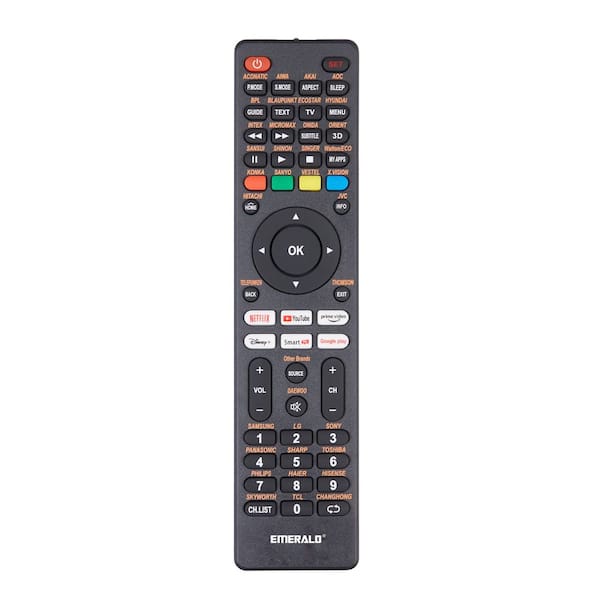
How Your TV Remote Learns Your Viewing Habits: A Deep Dive
The modern TV remote is more than just a tool for changing channels; it serves as an interface that learns your viewing habits over time. This learning process often relies on advanced algorithms and artificial intelligence, which analyze your interactions with the remote. For example, when you select a specific genre or frequently watch a particular show, the remote can begin to suggest similar content or even adjust the user interface to make your favorite options more accessible. This feature not only enhances user experience but also tailors content to individual preferences, making your viewing experience seamless and personalized.
At its core, the technology behind a smart remote incorporates data collection strategies that monitor your choices. Some devices gather this data explicitly, while others operate through passive observation of your habits. As these devices accumulate more information about your preferences, they employ machine learning techniques to predict what you might want to watch next. This capability can transform your entertainment experience into a curated selection that reflects your individual tastes—dynamics that many users appreciate. Understanding these processes can help you better utilize your remote, maximizing its effectiveness and ensuring a tailored viewing journey every time you turn on your TV.
Counter-Strike is a popular first-person shooter game that pits teams of terrorists against counter-terrorists in various objective-based missions. The gameplay is fast-paced and requires strong teamwork and strategy. Many players enjoy customizing their weapons and participating in competitive matches. If you're looking for the Top 10 apple tv remotes, you might find that navigating between different gaming platforms can enhance your overall gaming experience.
The Future of Smart Remotes: Are They Becoming Too Intelligent?
The dawn of smart remotes has revolutionized how we interact with our home entertainment systems. No longer just simple devices for switching channels, these remotes have become sophisticated tools capable of controlling various smart home devices, integrating voice commands, and learning user preferences. As technology continues to evolve, many consumers are left pondering: are smart remotes becoming too intelligent for their own good? With features such as personalized settings, predictive functionality, and compatibility with multiple devices, the need for complex interfaces can lead to confusion rather than convenience.
Furthermore, the increasing intelligence of smart remotes raises questions about privacy and data security. These devices often collect user data to enhance their functionality, but this can also expose sensitive information to potential breaches. Consumers must weigh the benefits of an ultra-intelligent device against the risks of having their habits and preferences monitored. As we look toward the future, the ideal smart remote may be one that balances advanced capabilities with user-friendly design and robust security measures, ensuring that technology serves to enhance our lives, not complicate them.
Can Your TV Remote Predict Your Mood? Exploring AI in Entertainment
The intersection of technology and human emotion has always been a fascinating area of exploration, and with recent advancements in AI, this intrigue has taken a new turn. Imagine a world where your TV remote is not just a simple control tool but a smart device capable of interpreting your mood. By analyzing factors such as your viewing history, the time of day, and even your physiological responses, AI-driven remotes could customize content suggestions tailored to your emotional state. This innovation could transform how we engage with entertainment, making it more personal and aligned with our feelings at any given moment.
Furthermore, integrating mood detection into entertainment experiences opens up exciting avenues for user interaction. For instance, if your AI-enabled remote detects that you are feeling down, it might suggest uplifting comedies or motivational documentaries to elevate your spirit. Conversely, if you're in the mood for reflection, it could lean towards dramatic genres or thought-provoking narratives. Such applications not only enhance the viewing experience but also serve as a reminder of the incredible potential of artificial intelligence in creating a more responsive and emotionally aware digital landscape.