Understanding the Field: Bitcoin vs. Ethereum for Crypto World Cup Bets (Explainers & Common Questions)
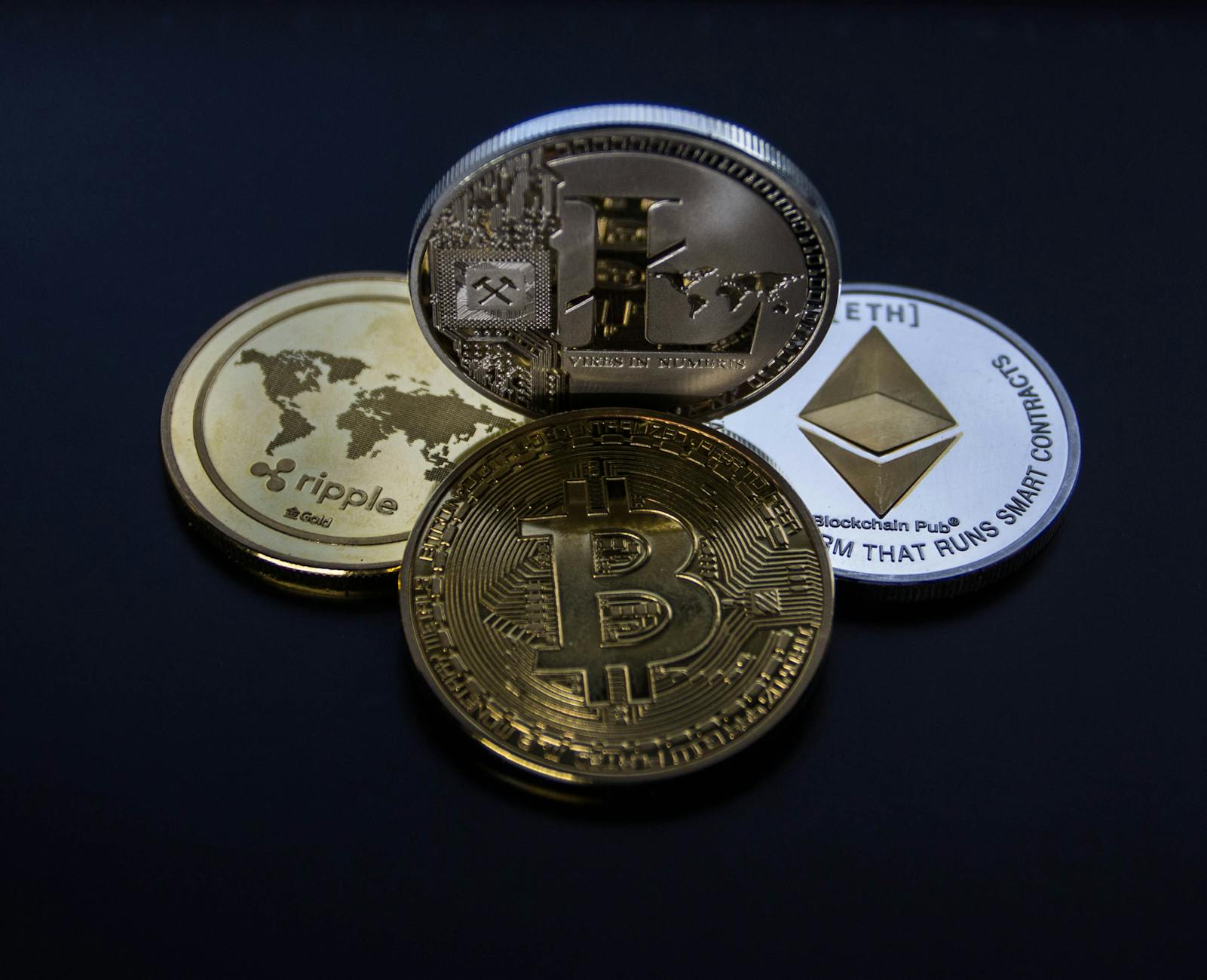
When placing your bets for the hypothetical Crypto World Cup, understanding the fundamental differences between Bitcoin (BTC) and Ethereum (ETH) is crucial, much like distinguishing between a striker and a midfielder in traditional football. Bitcoin, often dubbed 'digital gold,' primarily acts as a store of value and a peer-to-peer electronic cash system. Its blockchain is designed for transaction immutability and security, making it a robust, albeit slower, network. Think of Bitcoin as the veteran captain, a steady performer known for its reliability and market dominance, but perhaps less agile in adapting to new 'plays.' Common questions around Bitcoin often revolve around its halving cycles, its role as an inflation hedge, and its long-term price predictions, all of which influence its perceived 'strength' in a betting scenario.
Ethereum, on the other hand, is a more versatile platform, often seen as the 'internet of decentralized applications.' While it also facilitates transactions, its core innovation lies in its ability to run smart contracts and host a vast ecosystem of decentralized finance (DeFi) protocols, NFTs, and other dApps. This makes Ethereum the dynamic playmaker on the field, constantly evolving and powering a multitude of 'attacks' and 'strategies.' The shift to Ethereum 2.0 (now called the Merge and subsequent upgrades) and its move to a Proof-of-Stake consensus mechanism significantly impact its scalability, energy efficiency, and potential for future growth. Questions regarding Ethereum frequently explore its gas fees, the success of Layer 2 scaling solutions, its role in the metaverse, and its overall competitive advantage in the smart contract platform space – all vital considerations for predicting its 'performance' and 'contribution' in a Crypto World Cup context.
The rise of cryptocurrencies has opened up new avenues for sports enthusiasts looking to place their bets on the World Cup. With crypto World Cup betting, fans can enjoy enhanced privacy, lower transaction fees, and faster payouts compared to traditional methods. This innovative approach to wagering is quickly gaining traction, offering a decentralized and often more secure way to engage with the excitement of the tournament.
Making Your Play: Practical Tips for Betting with BTC or ETH (Strategies & FAQs)
Navigating the world of cryptocurrency betting, whether with Bitcoin (BTC) or Ethereum (ETH), requires a strategic mindset. Beyond just choosing a platform, consider the volatility inherent in these digital assets. A key strategy is to diversify your crypto holdings, not just your bets. Instead of putting all your 'wagering' crypto into one coin, perhaps split it between BTC and ETH, or even a stablecoin if the platform allows. Furthermore, always establish a strict bankroll management plan. Decide on a specific amount of crypto you're willing to gamble with and stick to it, regardless of wins or losses. Avoid chasing losses, as this can lead to impulsive decisions and depletion of your crypto capital. Understanding the transaction fees and confirmation times for each cryptocurrency is also vital, as these can impact your ability to place time-sensitive bets.
When delving into crypto betting, understanding common FAQs can significantly enhance your experience. A frequent question revolves around transaction security and privacy. While blockchain transactions are inherently secure, always ensure you're using reputable betting sites that employ additional security measures like two-factor authentication. Another common query touches on the speed of withdrawals and deposits. Bitcoin transactions, while secure, can sometimes take longer to confirm than Ethereum, especially during periods of high network congestion. Always check the platform's specific policies regarding withdrawal limits and processing times. Furthermore, many users ask about the tax implications of crypto betting winnings. This is a crucial point, and it's highly recommended to consult with a tax professional in your jurisdiction, as regulations regarding cryptocurrency gains vary widely and can be complex.