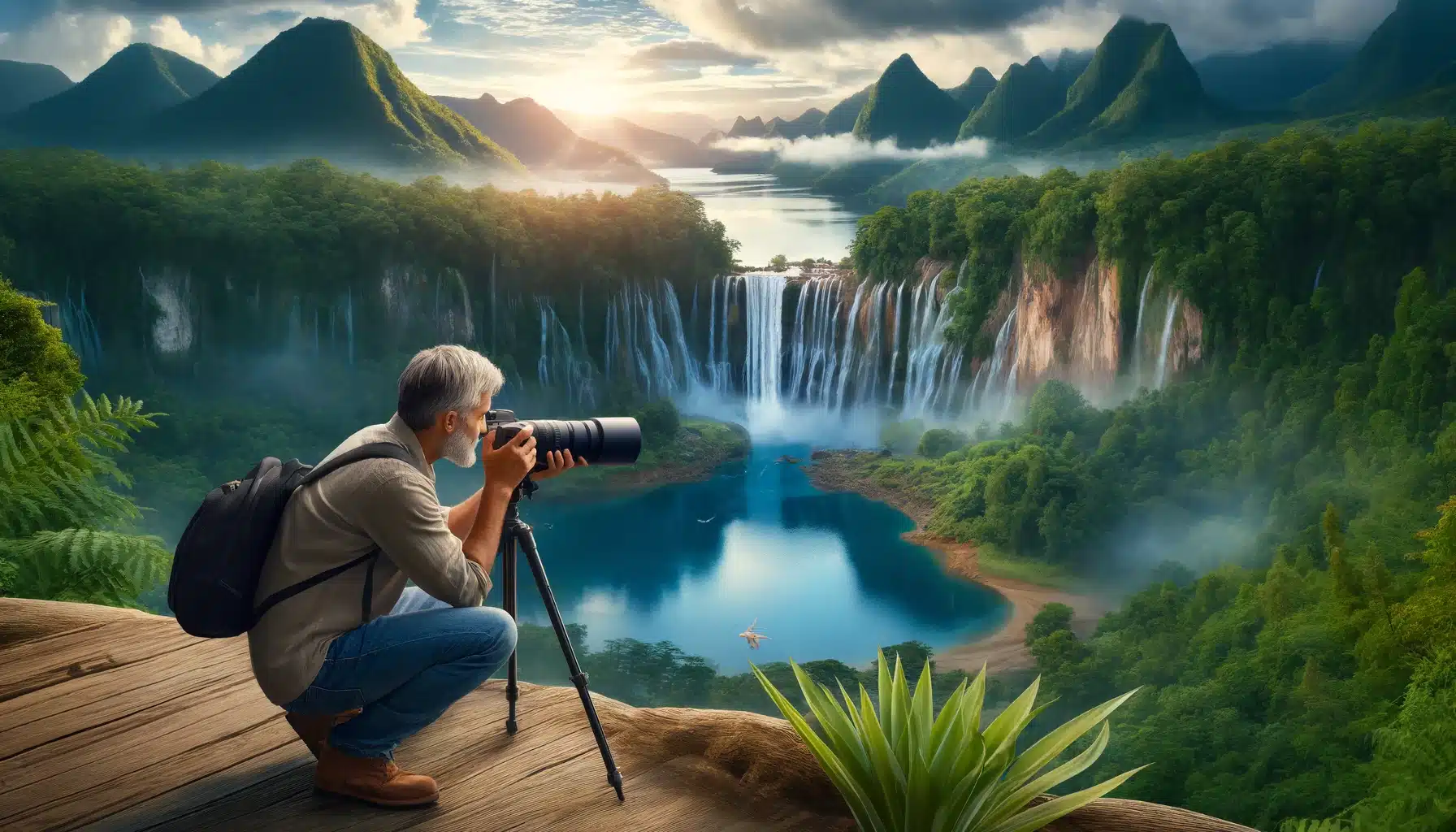
Mastering Lighting Techniques: The Key to Captivating Photos
Mastering lighting techniques is essential for photographers who wish to create captivating images. Good lighting not only enhances the subject but also sets the mood and conveys emotions throughout the photograph. Understanding natural light and how to manipulate it is the first step. For instance, golden hour—the period shortly after sunrise or before sunset—provides soft, warm tones that can make any scene feel magical. Additionally, using tools like reflectors and diffusers can help in controlling harsh shadows and highlighting the details of your subject.
In artificial lighting, mastering techniques becomes even more crucial. Photographers often utilize three-point lighting — a combination of key, fill, and back lighting — to achieve professional-grade results. This method creates depth, reduces unflattering shadows, and adds dimension to the photograph. Remember to experiment with different sources, such as LED panels or flash units, to find the perfect balance for your shots. By implementing these lighting techniques, you can transform your photography and create images that truly captivate your audience.
Counter-Strike is a popular tactical first-person shooter game that has captivated gamers since its release. The game involves two teams, Terrorists and Counter-Terrorists, competing in various objectives like bomb defusal and hostage rescue. Players often seek to enhance their gaming experience by investing in equipment, similar to how photography enthusiasts look for Top 10 iPhone camera lenses to improve their photography skills.
The Art of Composition: How to Frame Your Perfect Shot
The art of composition is essential for capturing the essence of a scene and ensuring that your photography resonates with viewers. Understanding how to frame your perfect shot involves recognizing the key elements of composition. Techniques such as the rule of thirds, leading lines, and framing can dramatically enhance your images. For instance, when using the rule of thirds, imagine dividing your frame into a grid of nine equal sections with two vertical and two horizontal lines. Positioning the focal point of your subject along these lines can create a more balanced and engaging photograph.
Moreover, experimenting with different angles and perspectives can bring a unique dimension to your work. Consider incorporating elements such as foreground and background to add depth. Additionally, always be mindful of the lighting; natural light often provides the best conditions for stunning compositions. To master composition, it's crucial to practice and analyze your work critically. Here are a few tips to keep in mind as you refine your skills:
- Don't be afraid to move around and change your viewpoint.
- Use negative space to highlight your subject.
- Keep your horizon straight to avoid distracting the viewer.
What Camera Settings Should You Use for Different Scenarios?
When choosing the right camera settings for various scenarios, understanding the fundamentals of exposure (aperture, shutter speed, and ISO) is crucial. Aperture, measured in f-stops, controls the amount of light entering the lens, while shutter speed governs how long the camera sensor is exposed to that light. Lastly, ISO adjusts your camera's sensitivity to light. For example, in low-light situations such as indoor events or nighttime photography, you might want to use a wider aperture (like f/2.8) and a higher ISO (around 800-1600) to capture brighter images without motion blur, adjusting the shutter speed accordingly to avoid overexposure.
In bright daylight, you should consider using a smaller aperture (like f/16) to achieve a larger depth of field, which keeps more of your scene in focus. A faster shutter speed (such as 1/1000 seconds) can help freeze motion, particularly in outdoor settings like sports or wildlife photography. Here’s a quick guide for settings based on common scenarios:
- Portraits: Aperture f/1.8 - f/2.8, Shutter Speed 1/100 - 1/250, ISO 100 - 400
- Landscapes: Aperture f/8 - f/16, Shutter Speed 1/50 - 1/200, ISO 100
- Action Shots: Aperture f/4 - f/5.6, Shutter Speed 1/500 - 1/1000, ISO 400 - 800