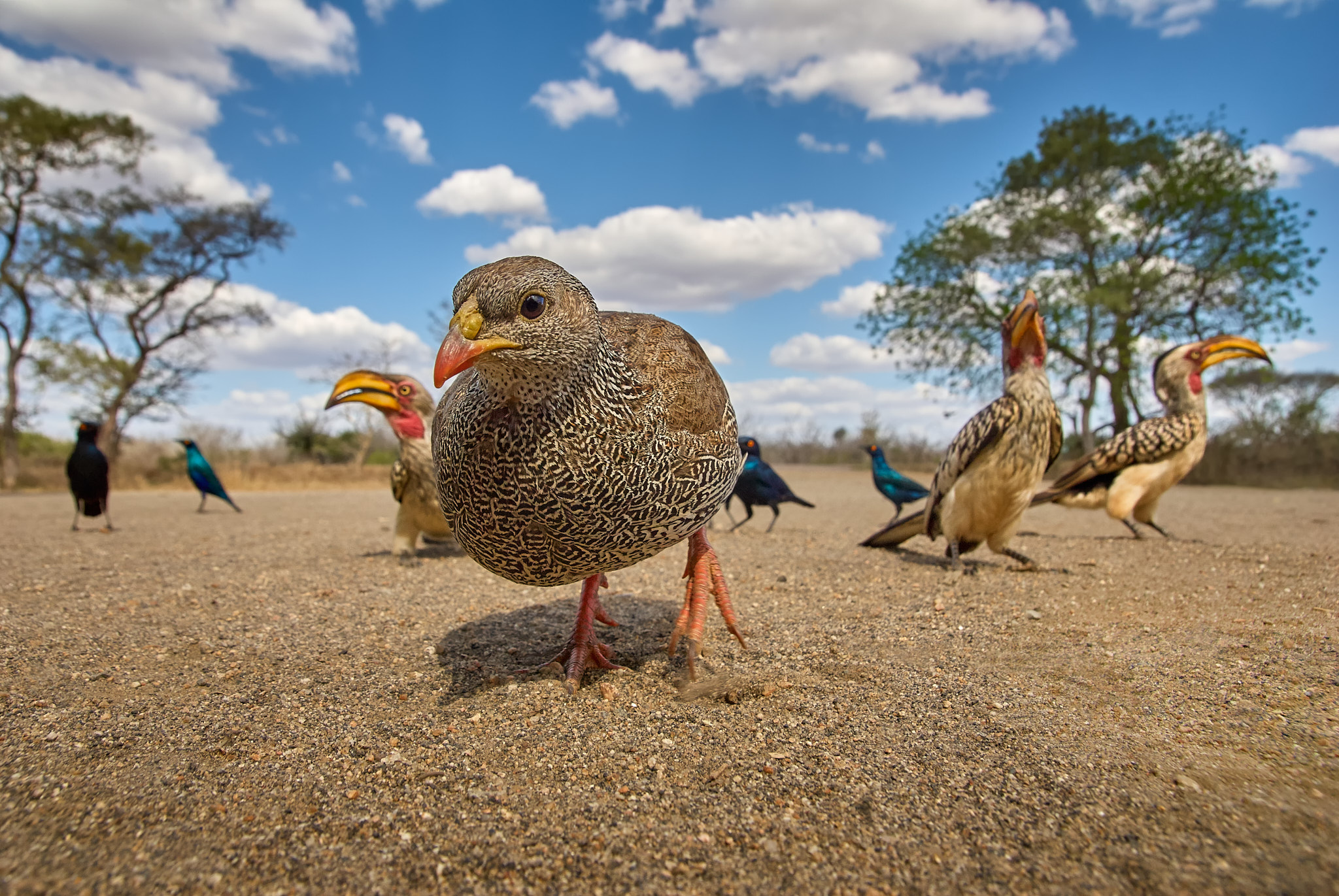
Mastering the Art of Wide-Angle Photography: Tips for Capturing Stunning Landscapes
Mastering the art of wide-angle photography can significantly enhance your landscape photos, allowing you to capture breathtaking vistas with an impressive depth of field. One of the key techniques is to utilize the rule of thirds, which involves dividing your frame into nine equal sections with two vertical and two horizontal lines. Positioning your subject along these lines or at their intersections will create a more balanced and engaging composition. Additionally, consider using leading lines, such as paths or rivers, to guide the viewer's eye through the image, giving it a sense of depth and dimension.
When shooting in wide-angle, it’s crucial to pay attention to your foreground. Incorporating interesting elements in the foreground can add context and scale to your landscapes. For instance, large rocks, wildflowers, or even a person can make your image more dynamic. Natural light also plays an essential role in wide-angle photography; shooting during the golden hour, just after sunrise or before sunset, can create stunning colors and soft shadows that enhance the overall mood of your photos. Lastly, don’t forget to experiment with different perspectives—getting low to the ground or climbing to a height can yield remarkable results.
Counter-Strike is a highly popular first-person shooter game that pits teams of counter-terrorists against terrorists in various game modes. Players can choose to play competitive matches, casual games, or even enjoy custom maps and mods. For photographers who use an iPhone, checking out the Top 10 iPhone camera accessories can enhance their shooting experience significantly.
Transforming Ordinary Spaces: How to Use Wide-Angle Lenses for Everyday Magic
Transforming Ordinary Spaces into extraordinary captures is easier than you might think, especially when you utilize wide-angle lenses. These handy tools allow photographers to encompass a broader view, which can turn mundane settings into stunning visual stories. Whether you're photographing a cramped living room or a bustling street market, wide-angle lenses effectively exaggerate depth and create a sense of spaciousness. To make the most out of your lens, try shooting from a low angle to enhance the foreground and draw the viewer’s eye into the frame.
Another key to unlocking the magic of wide-angle lenses is composition. By placing interesting elements in the foreground, you can add layers to your images, making them more engaging. For instance, consider using leading lines, such as paths or fences, to guide the viewer’s eye through the scene. Additionally, don’t shy away from experimenting with unique perspectives—try tilting the camera slightly or framing a subject in an unconventional way. With a little creativity, your everyday surroundings can become a canvas for breathtaking photography.
Wide-Angle vs. Standard Lenses: Which is Best for Your Photography Needs?
When it comes to choosing between wide-angle and standard lenses, understanding your photography needs is essential. Wide-angle lenses are typically defined as lenses with a focal length of 35mm or less, which allows for a broader perspective, making them ideal for landscapes, architecture, and interior photography. They can capture more of a scene in a single shot, which can be particularly beneficial in tight spaces. However, they may also introduce distortion, especially at the edges of the frame. On the other hand, standard lenses, usually around 50mm, provide a more natural perspective that closely resembles human eyesight, making them excellent for portraits and everyday photography.
Ultimately, the choice between wide-angle and standard lenses depends on your specific requirements. Here are a few considerations to help you decide:
- Subject Matter: If you frequently shoot landscapes or architecture, a wide-angle lens may be your best bet.
- Distortion: Consider how much distortion you are willing to accept in your images; wide-angle lenses can create interesting effects but may not be suitable for all subjects.
- Versatility: A standard lens offers versatility for various photography styles, from portraits to street photography, making it a great all-around choice.
By weighing these factors, you can make an informed decision on which lens best complements your photographic style.