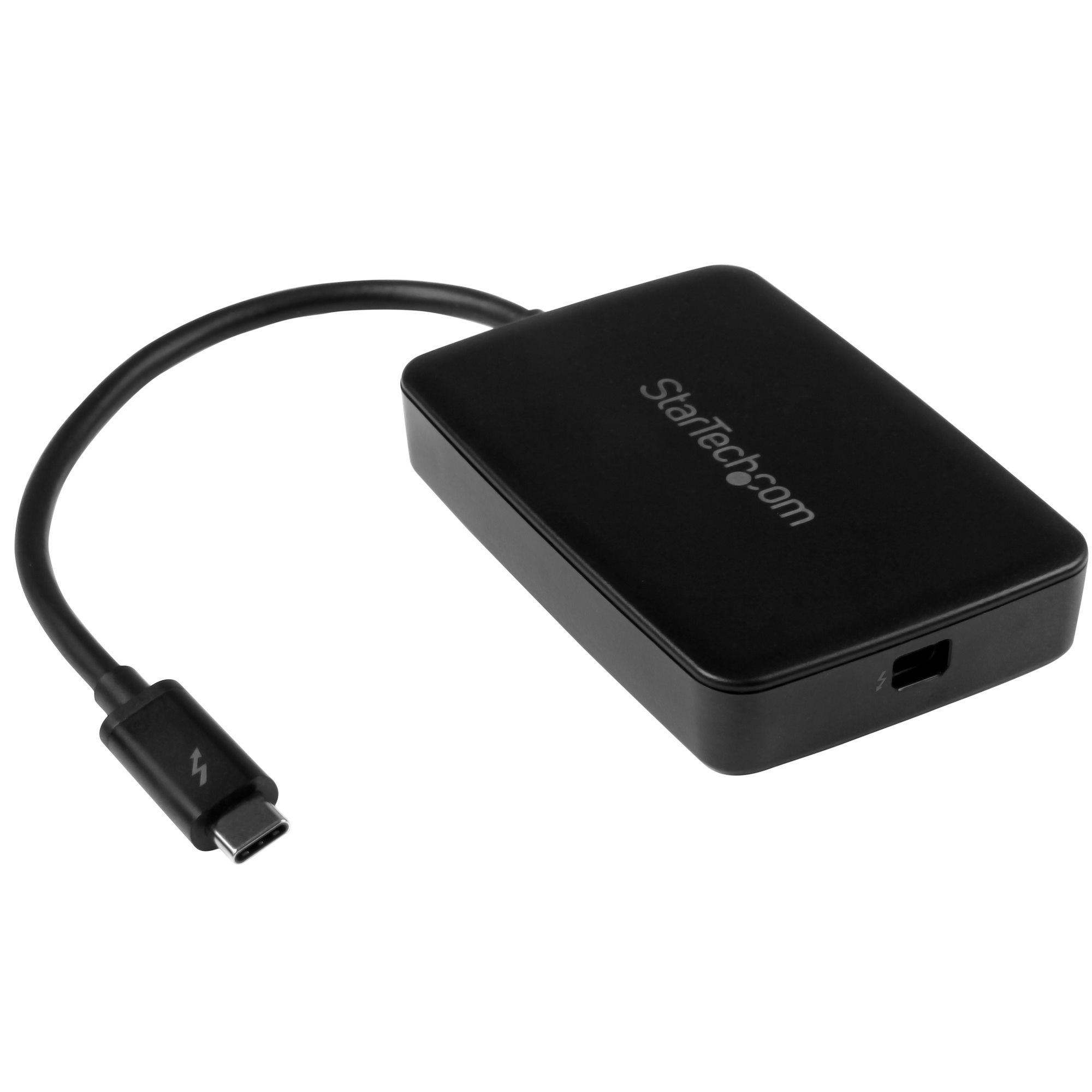
What is Thunderbolt Technology and How Does It Work?
Thunderbolt Technology is a high-speed connectivity standard developed by Intel, which combines data, video, and power in a single cable. Originally introduced in 2011, Thunderbolt provides remarkably fast data transfer speeds of up to 40 Gbps, making it ideal for creative professionals working with large files, high-resolution video, and complex data workflows. This technology utilizes the PCI Express and DisplayPort protocol, allowing multiple devices to be connected through a single port. Thunderbolt ports are usually identifiable by a lightning bolt symbol, and they are compatible with various devices such as external hard drives, monitors, and docking stations.
The functioning of Thunderbolt Technology hinges on its ability to support multiple protocols over a single connection. With the ability to daisy-chain up to six devices, users can enjoy the benefits of reduced cable clutter and improved workspace organization. Each Thunderbolt connection not only delivers data at lightning speed but also supports video output and can provide power to connected devices. As technology continues to advance, Thunderbolt Technology is evolving, with the latest iterations providing increased bandwidth, enhanced capabilities, and backward compatibility with previous models, ensuring seamless integration with existing setups.
Counter-Strike is a popular multiplayer first-person shooter game that has captivated gamers since its release. Players can choose to team up as terrorists or counter-terrorists, engaging in tactical gameplay and strategic objectives. For those looking to enhance their gaming experience, consider checking the Top 10 macbook docks that can improve connectivity and performance during intense gaming sessions.
The Advantages of Thunderbolt: Why You Should Upgrade Your Connections
In today's fast-paced digital world, having the right connections can significantly impact your productivity and performance. Thunderbolt technology stands out as a premium option, offering unparalleled speed and versatility. With transfer rates of up to 40 Gbps, it allows users to transfer large files, such as 4K videos or extensive data backups, within seconds. This capability makes Thunderbolt not only ideal for creative professionals but also for anyone looking to maximize their workflow efficiency.
Moreover, one of the standout features of Thunderbolt is its ability to daisy-chain multiple devices through a single port, which not only simplifies your workspace but also reduces cable clutter. Whether you are connecting external monitors, storage devices, or docking stations, Thunderbolt supports various peripherals seamlessly. In addition to speed and connectivity, upgrading to Thunderbolt ensures you're equipped with a future-proof solution, as the technology continues to evolve with upcoming innovations in devices and displays.
Thunderbolt vs. USB: Which Connection is Right for You?
When it comes to high-speed data transfer and connectivity, Thunderbolt and USB are two popular options that often come up in discussions. Thunderbolt was developed by Intel in collaboration with Apple and is known for its exceptional speed and versatility, allowing for data transfer rates of up to 40 Gbps with Thunderbolt 3 and 4. On the other hand, USB has a longer history and has evolved through several generations, with USB 3.2 delivering speeds of up to 20 Gbps and the latest USB4 bridging the gap with Thunderbolt speeds. It’s essential to analyze your needs before making a choice.
If your work involves transferring large files, such as high-definition videos or working with external displays, Thunderbolt might be the better option. Its capability to daisy-chain multiple devices and provide power delivery makes it suitable for professional setups. Conversely, if you primarily use devices like keyboards, mice, and standard external drives, USB should suffice. Ultimately, the right connection for you depends on your specific use case and the devices you intend to connect. Consider what you prioritize: speed, versatility, or compatibility.